Peripheral neuropathy is often described in clinical language as numbness, tingling, burning, and loss of sensation. But anyone who lives with it knows it feels more personal than that. It can be subtle at first: a slight buzzing in the toes, a strange sensitivity in the fingertips. Over time, it may become persistent, intrusive, and difficult to ignore.
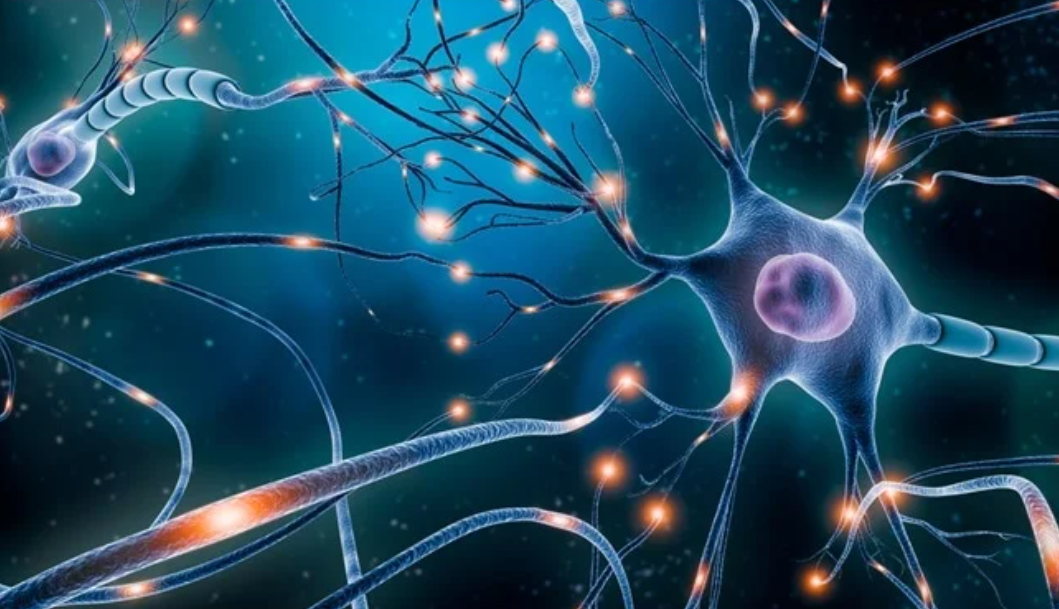
Conventional discussions tend to revolve around managing symptoms rather than restoring function. Medications may dull the sensation, but they rarely address the underlying issue: stressed or damaged nerve tissue struggling to repair itself.
Within alternative and historical circles, one lesser-discussed line of thought explores the pairing of DMSO and B-complex vitamins, particularly in conversations around nerve support and regeneration.
This is not mainstream. It is not widely standardized. But it is quietly discussed among those interested in deeper tissue access and neuromuscular restoration.
The B-complex family — especially B1 (thiamine), B6 (pyridoxine), and B12 (cobalamin) — plays a central role in nerve health.
- B1 supports nerve conduction and energy metabolism.
- B6 participates in neurotransmitter synthesis.
- B12 is essential for myelin sheath integrity — the protective covering around nerves.
Deficiencies in these vitamins are well-documented contributors to neuropathic symptoms. In some cases, oral supplementation improves function. In others, results are inconsistent. Absorption varies. Tissue delivery varies. And once nerve damage becomes chronic, oral approaches may not feel sufficient.
This is where the discussion begins to shift from supplementation to delivery mechanics.
Nerve tissue is delicate and often deeply embedded within muscle, fascia, and connective layers. If circulation is impaired or inflammation is persistent, nutrients may not easily reach the affected area in meaningful concentrations.
DMSO has long been studied for its unusual ability to pass through skin and connective tissue. Unlike many topical agents that remain superficial, DMSO moves inward and can carry small molecules with it.
In theory — and in older exploratory research — pairing DMSO with water-soluble nutrients such as certain B vitamins was discussed as a way to bypass digestive limitations and improve local tissue access.
The keyword here is theory. This remains an educational exploration, not a standardized medical protocol.
Neuropathy as a Signaling Problem
Peripheral neuropathy is not only about damaged wires. It is about disrupted communication.
Inflammation, oxidative stress, poor circulation, and metabolic imbalance can all interfere with nerve signaling. When nerves are stressed, they may misfire, underfire, or send distorted signals.
B vitamins support nerve metabolism and repair pathways. DMSO has been discussed in literature for its potential role in reducing localized inflammatory stress and improving tissue permeability.
Together, this pairing is sometimes framed as a way to support both:
- The structural side (myelin and nerve cell health)
- The signaling side (inflammatory and oxidative terrain)
Historical Curiosity and Why It Faded
In the 1960s and 1970s, DMSO research briefly expanded into neurological territories. However, regulatory controversy, shifting research funding, and a narrowing focus toward patentable drugs caused many of these exploratory pathways to disappear from mainstream discussion.
Combination approaches — particularly those involving inexpensive vitamins — were difficult to commercialize and standardize.
As a result, the conversation around neuropathy became largely pharmaceutical, focusing on symptom suppression rather than tissue environment.
Yet in smaller circles, practitioners and individuals continued exploring transdermal support strategies quietly.
A Word on Restraint
Because DMSO transports what it contacts, discussions of pairing it with nutrients emphasize minimalism, cleanliness, and careful observation. More is not better. Precision matters.
This is not about layering products. It is about understanding tissue depth and respecting biological systems.
Peripheral nerves do not regenerate overnight. If repair is possible, it is gradual. Any conversation around neuromuscular restoration must include patience.
Closing Thoughts
Peripheral neuropathy often leaves people feeling unheard. Symptoms may be minimized or dismissed, especially in early stages. The exploration of DMSO with B-complex vitamins represents a different kind of inquiry — one focused on access, signaling, and cellular support rather than suppression.
It is not a miracle discussion. It is a depth discussion.
And sometimes, when symptoms live beneath the surface, depth is the place to begin asking better questions.
Leave a Reply