When people think about infections, they often imagine something obvious: redness, swelling, heat, and pain. But not all infections behave that way. Some remain quiet, embedded in tissue, lingering below the surface where the body struggles to reach them effectively. These deeper issues can appear in many forms: recurring skin infections that never quite resolve, lingering dental or sinus concerns, stubborn inflammatory pockets, or chronic conditions that seem to flare without clear cause. In these situations, the challenge is not always identifying the problem. Sometimes the challenge is reaching it.
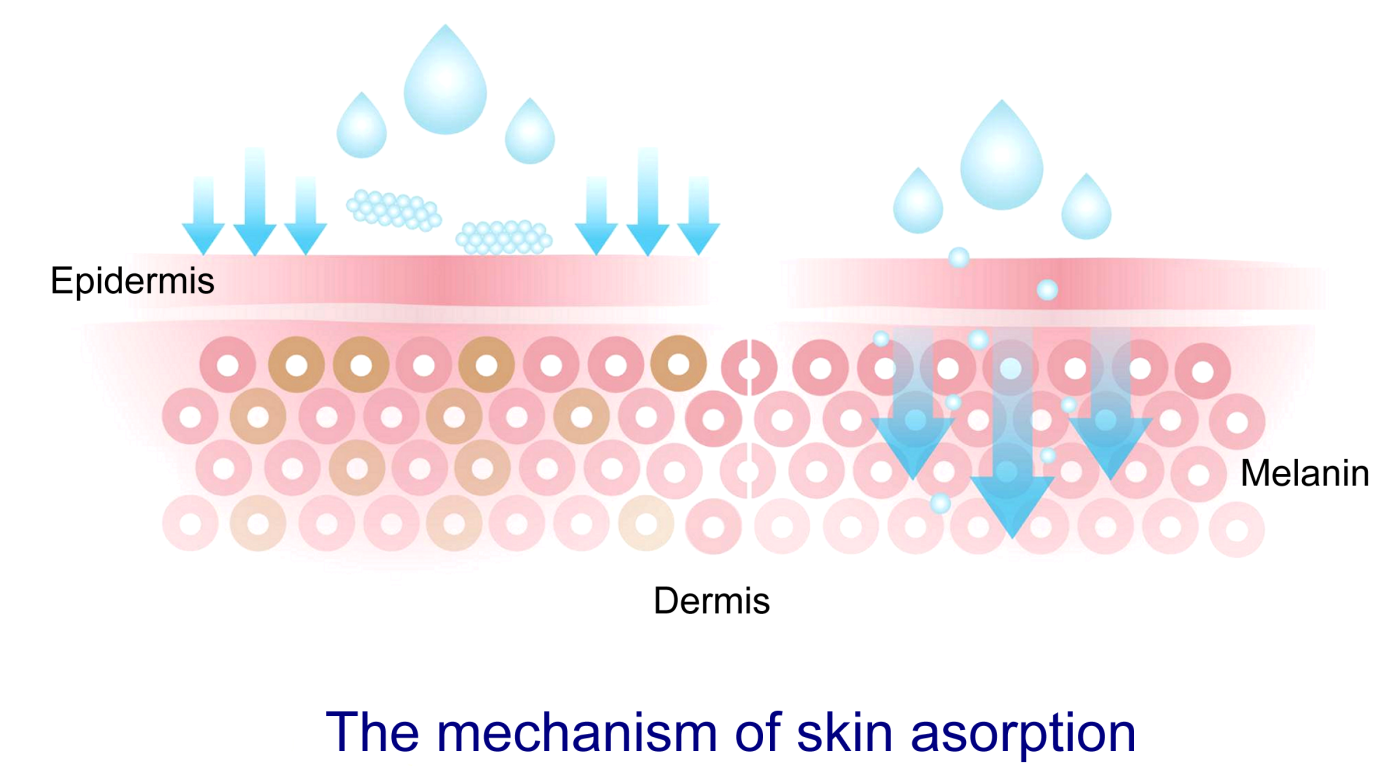
Within alternative and historical health discussions, one pairing occasionally appears in this context: DMSO and colloidal silver. Each has its own history. Each has been explored independently. When discussed together, the conversation centers on one idea — tissue access. This article does not present a treatment protocol. Rather, it examines why some people have explored this pairing and why the concept continues to appear in discussions about difficult infections.
The Long History of Silver in Antimicrobial Research
Silver has been recognized for antimicrobial properties for centuries. Long before modern antibiotics, silver containers were used to preserve liquids, and silver compounds appeared in early medical applications.
In modern times, silver-based materials are still used in certain wound dressings and medical coatings designed to discourage microbial growth. The antimicrobial activity of silver ions has been studied extensively, particularly for surface-level infections and wound care.
Colloidal silver, microscopic particles of silver suspended in liquid, became widely discussed in natural health communities during the late twentieth century. Advocates often frame it as a broad-spectrum antimicrobial substance, though its role remains controversial in mainstream medicine.
Regardless of differing opinions, the historical association between silver and microbial control remains well established.
Why Surface Treatments Sometimes Fall Short
When infections remain superficial, topical approaches may work well. But deeper tissue infections present a different challenge.
Layers of skin, connective tissue, and localized inflammation can limit how far substances penetrate. Blood flow may be reduced in damaged or scarred tissue. Biofilms, protective structures created by microbial communities, can further complicate access.
In these circumstances, even substances known for antimicrobial properties may struggle to reach their intended target.
This is where discussions around delivery mechanisms begin.
The Role of DMSO in Tissue Penetration
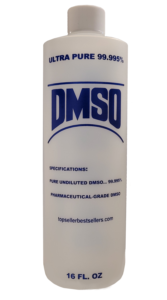
DMSO has attracted scientific interest because of its unusual ability to move rapidly through the skin and into deeper tissues. Researchers studying DMSO in the mid-twentieth century observed that it could carry certain small molecules along with it.
This property made DMSO both fascinating and controversial. It challenged assumptions about how substances interact with the body, and it raised questions about safety, regulation, and control.
When paired with other substances in exploratory discussions, DMSO is typically framed not as the primary agent, but as a transport facilitator.
In conversations involving colloidal silver, the idea is straightforward: if silver is valued for antimicrobial properties, could improved tissue access allow it to reach areas where microbes may otherwise remain protected?
Terrain Matters as Much as the Microbe
Another theme frequently appearing in alternative health discussions is the concept of biological terrain. Rather than focusing exclusively on pathogens, terrain-oriented thinking looks at the environment in which microbes exist.
Inflammation, oxygen levels, tissue hydration, immune signaling, and cellular energy all influence how infections behave. Addressing the terrain may sometimes matter as much as addressing the microbe itself.
Both DMSO and silver have appeared in historical research related to inflammation and oxidative stress, which may partially explain why this pairing continues to draw interest in some circles.
Why This Conversation Remains Marginal
There are several reasons this combination is rarely discussed in mainstream medical literature.
First, both substances exist outside typical pharmaceutical models. Silver is inexpensive and difficult to patent. DMSO has a long history of regulatory controversy that limited its medical development.
Second, combination approaches are inherently more complex to study. Clinical research typically prefers single-variable interventions that can be measured in isolation.
As a result, conversations involving both substances often remain within independent research communities rather than mainstream clinical practice.
Respect for Biological Systems
Because DMSO can transport substances through the skin, discussions about its use consistently emphasize caution, cleanliness, and minimalism. The concept is not about mixing numerous ingredients or creating elaborate formulations.
Instead, it revolves around careful exploration and respect for how the body interacts with substances that can move beyond the surface.
When discussing persistent infections, patience and thoughtful investigation remain essential. No single approach fits every situation, and deeper problems rarely resolve overnight.

Infections that hide beneath the surface challenge simple solutions. They invite deeper questions about access, environment, and tissue health.
The pairing of DMSO and colloidal silver appears in some alternative discussions not because it promises a miracle, but because it raises an intriguing possibility: that sometimes the key to addressing a problem is not a stronger substance, but a better path to reach it.
Whether future research revisits this idea remains to be seen. For now, it stands as another example of how older scientific curiosities continue to circulate quietly among those interested in exploring the deeper mechanics of healing.
Leave a Reply