For decades, two unusual compounds have repeatedly appeared in alternative wellness circles, preparedness communities, and independent health literature: DMSO (dimethyl sulfoxide) and chlorine dioxide solutions. Individually, each has developed a dedicated following. Together, they form one of the more discussed, and controversial, pairings in self-directed wellness communities.
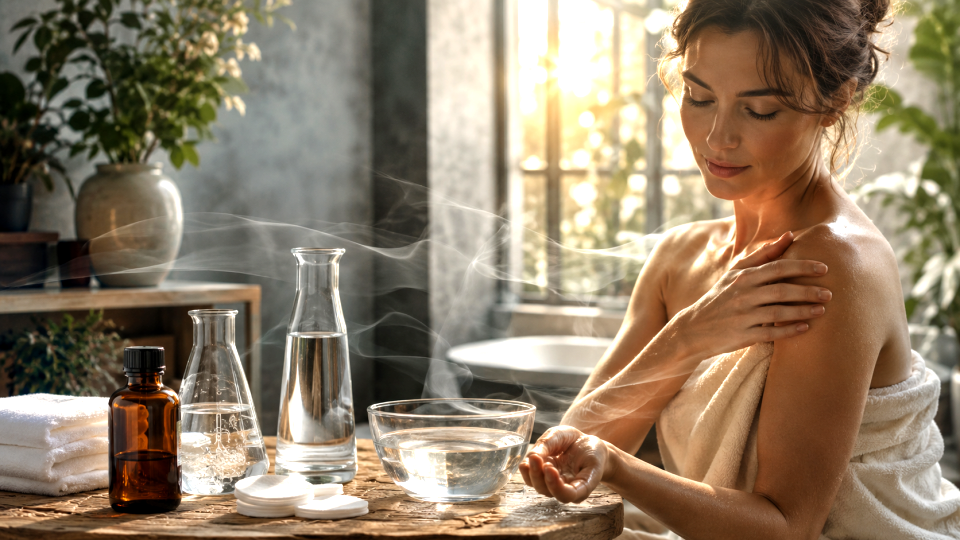
Supporters often describe the pairing in simple terms: one component is viewed as helping substances move through tissues more efficiently, while the other is viewed as creating an environment that people believe is less favorable to unwanted biological burden. Whether those interpretations accurately explain outcomes is still debated, but stories persist.
This article does not recommend or endorse any treatment. Instead, it summarizes common themes and reported experiences from users and educators who discuss this combination.

Why People Combine DMSO and Chlorine Dioxide
People who use the combination generally describe one or more of four intentions:
- Improve topical penetration
- Reach deeper tissues
- Reduce surface irritation by dilution
- Support broader wellness goals while reducing total amounts used
A recurring theme in anecdotal reports is:
“Use less, spread farther.”
Supporters frequently claim that combining smaller amounts creates gentler experiences than using either product aggressively alone.
Pattern 1: Skin and Surface Applications
What people report targeting:
- Muscle soreness
- Joint discomfort
- Old injury areas
- Stiffness
- Areas of chronic tension
- General skin appearance concerns
Common anecdotal approach:
Users describe:
- Diluting DMSO with purified water
- Preparing chlorine dioxide separately
- Combining immediately before use
- Applying with cotton pads or clean hands
Reported observations:
Some users claim:
- Faster skin absorption
- Temporary warming sensation
- Reduction in stiffness
- Improved mobility perception
- Reduced surface irritation versus stronger single applications
Community cautions:
- Clean skin carefully beforehand
- Avoid fragrances, lotions, contaminants
- Stop if irritation develops
Pattern 2: Localized Soft Tissue and Joint Use
Among alternative users, this may be one of the most commonly discussed categories.
Areas commonly mentioned:
- Knees
- Hands
- Shoulders
- Neck
- Lower back
- Feet
Claimed reasons:
Supporters often suggest:
- DMSO may help distribution through tissue layers
- Chlorine dioxide may support local environmental balance
Frequently described outcomes:
- Temporary comfort
- Loosening sensation
- Faster recovery perception
- Reduced post-activity soreness
Some users describe cyclical use:
apply → rest → hydration → observe response.
Pattern 3: Oral Wellness Approaches (Most Controversial)
This is where discussion becomes significantly more divided.
Supporters who discuss internal use often describe goals such as:
- Digestive comfort
- General wellness support
- Travel preparedness
- Microbial balance concepts
- Recovery support
Reported approaches vary enormously.
Some users describe:
- Taking chlorine dioxide separately from meals
- Waiting before other supplements
- Keeping DMSO extremely diluted if used at all
Others avoid combining internally entirely and reserve DMSO for external applications.
Important distinction:
Internal use reports remain largely anecdotal and are not well established in human clinical evidence.
Pattern 4: Dental and Oral Care Discussions
Alternative communities sometimes describe using diluted approaches around:
- Gum appearance
- Mouth freshness
- Temporary oral irritation
- Dental hygiene routines
Users often describe:
- Short contact times
- Rinsing afterward
- Avoiding swallowing
Claims commonly include:
- Cleaner mouth feel
- Fresher breath
- Reduced sensitivity
Again, these remain reports rather than established outcomes.
Pattern 5: Foot Soaks and Bath Applications
This category appears repeatedly across forums and practitioner circles.
Typical intentions:
- Relaxation
- Recovery
- Skin support
- Whole-body comfort
People often describe:
- Warm water
- Small amounts added separately
- Limited soak duration
Reported experiences:
- Warmth
- Relaxation
- Temporary reduction in tension
- Improved subjective recovery
Pattern 6: Respiratory Environment Discussions
Some users discuss indirect environmental approaches involving humidity, vapor, or room use.
These discussions vary widely.
People describe goals such as:
- Air freshness
- Comfort during seasonal challenges
- Supporting normal breathing comfort
This remains one of the least standardized categories and should be approached conservatively.
Pattern 7: Layered Wellness Programs
A subset of users do not view DMSO + chlorine dioxide as the centerpiece.
Instead, they describe it as one layer among:
- Hydration
- Mineral support
- Sleep
- Gentle movement
- Nutrient-dense eating
- Stress reduction
- Time outdoors
In these accounts, the combination is treated more like a support practice than a cure.
Themes That Repeat Across Anecdotal Reports
When reviewing thousands of discussions across books, forums, interviews, and personal testimonials, several themes appear repeatedly:
| Theme | Reported Observation |
| Less can feel stronger | Users often reduce amounts |
| Clean inputs matter | Users emphasize cleanliness |
| Hydration | Frequently mentioned |
| Slower adjustment | Users describe gradual experimentation |
| Individual response | Experiences vary widely |
A Balanced Perspective
The DMSO + chlorine dioxide combination sits at the intersection of curiosity, personal experimentation, and controversy. Supporters describe meaningful experiences across many categories of wellness. Critics point out that personal reports are not the same as controlled evidence. Both observations can exist at the same time.
Anecdotes can generate ideas. Research helps determine what consistently works, what does not, and what deserves further study. For many users, the enduring interest in this combination seems less about chasing miracle claims and more about a desire to explore simple, accessible tools while paying closer attention to how their bodies respond.
Leave a Reply