There are certain combinations in health research that appear briefly, generate curiosity, and then quietly disappear—not because they were fully explored, but because the conversation moved on. The pairing of DMSO and Vitamin C is one of those combinations. For a time—particularly in the mid-20th century—both substances attracted attention for very different reasons. Vitamin C was being studied for its role in immune support, collagen production, and oxidative balance. DMSO was being investigated for its unusual ability to move through biological membranes and influence inflammation and circulation. Individually, each sparked intense interest. Together, they formed a line of inquiry that never fully matured into mainstream practice—but never fully disappeared either.
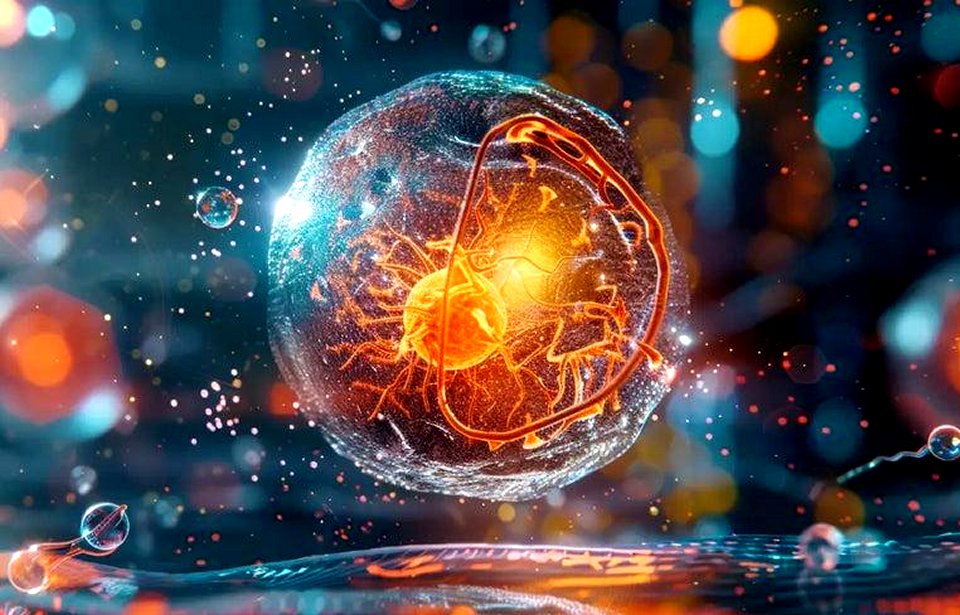
Vitamin C: Beyond the Basics
Vitamin C is often reduced to a simple nutrient associated with immune support. But its biological roles are far more extensive.
It participates in:
- Collagen synthesis and tissue repair
- Antioxidant activity and redox balance
- Support of cellular resilience under stress
- Maintenance of connective tissue integrity
In higher concentrations, vitamin C has been studied for its influence on oxidative processes in ways that differ from its everyday nutritional role. This dual nature—supportive at one level, more complex at another—has made it a subject of ongoing curiosity.
Linus Pauling and the High-Dose Conversation
No discussion of vitamin C’s broader potential would be complete without acknowledging the work of Linus Pauling.
Pauling, one of the few individuals to receive two unshared Nobel Prizes, became a prominent advocate for high-dose vitamin C later in his career. His interest extended beyond basic nutrition into the idea that larger amounts of vitamin C might influence resilience in the body under significant stress.
Working alongside physician Ewan Cameron, Pauling explored how vitamin C might support patients in more serious health conditions. Their work generated both enthusiasm and controversy, particularly because results varied depending on method of delivery and study design.
One key insight that emerged—often debated, but rarely dismissed outright—was that delivery method matters. Oral dosing, intravenous use, and timing all appeared to influence outcomes in different ways.
This emphasis on delivery quietly echoes into later discussions involving DMSO.
The Question of Delivery
One recurring challenge in vitamin research is delivery—not just how much is taken, but how much actually reaches the intended tissue.
Oral intake is limited by absorption thresholds. Intravenous delivery bypasses digestion but introduces complexity and cost. Between these two approaches lies a largely unexplored space: localized, transdermal delivery.
This is where DMSO enters the conversation.
DMSO: A Transport Mechanism with a Complicated History
DMSO drew attention because of its ability to pass through the skin and enter systemic circulation, carrying certain small molecules along with it. Researchers in the 1960s and 1970s explored this property across a range of applications.
At the same time, DMSO became entangled in regulatory concerns, shifting research priorities, and the practical challenges of studying a substance that did not fit neatly into pharmaceutical models.
As interest narrowed, many exploratory pathways—including combinations with nutrients like vitamin C—were left incomplete.
In scattered studies and anecdotal reports from earlier decades, the pairing of DMSO with vitamin C was discussed as a way to explore whether localized delivery might influence tissue-level processes more directly.
When viewed alongside Pauling’s emphasis on dosage and delivery, an interesting parallel emerges:
- Pauling explored how much vitamin C might matter
- DMSO researchers explored how deeply it could reach
Though these lines of inquiry were not formally unified, they point toward the same underlying question:
Does the effectiveness of a substance depend as much on its delivery as on the substance itself?
This question remains open.
Several factors contributed to the disappearance of this line of inquiry:
- Complexity of combination research: Multi-variable approaches are harder to standardize and study
- Lack of patentability: Both DMSO and vitamin C are inexpensive and widely available
- Regulatory caution: DMSO’s unique properties raised concerns that slowed broader adoption
- Shift toward pharmaceuticals: Research funding increasingly favored compounds with clear commercial pathways
As a result, what might have become a deeper field of study remained largely fragmented.
It’s important to approach this topic with clarity. The pairing of DMSO and vitamin C is not part of established medical protocols. It exists primarily in historical literature, independent research discussions, and ongoing curiosity among those interested in alternative delivery mechanisms.
What makes it noteworthy is not what it promises, but what it represents: a moment in research history where different ideas briefly intersected, then moved apart before their full implications were understood.
As with any discussion involving DMSO, simplicity and restraint are emphasized. Because it can transport substances through the skin, the focus remains on minimalism, cleanliness, and thoughtful consideration.
Vitamin C, though widely used and generally well understood nutritionally, behaves differently depending on concentration, context, and delivery method. These variables add another layer of complexity to the conversation.
Not every valuable idea becomes a finished product. Some remain as questions—open-ended, unresolved, and quietly circulating among those willing to revisit them.
The work of Linus Pauling reminds us that even widely accepted nutrients can hold deeper possibilities when viewed from a different angle.
The pairing of DMSO and vitamin C is one such angle.
It does not offer a conclusion. It offers a doorway back into a line of inquiry that was set aside before it was fully explored.
And sometimes, revisiting unfinished conversations is where new understanding begins.
Leave a Reply